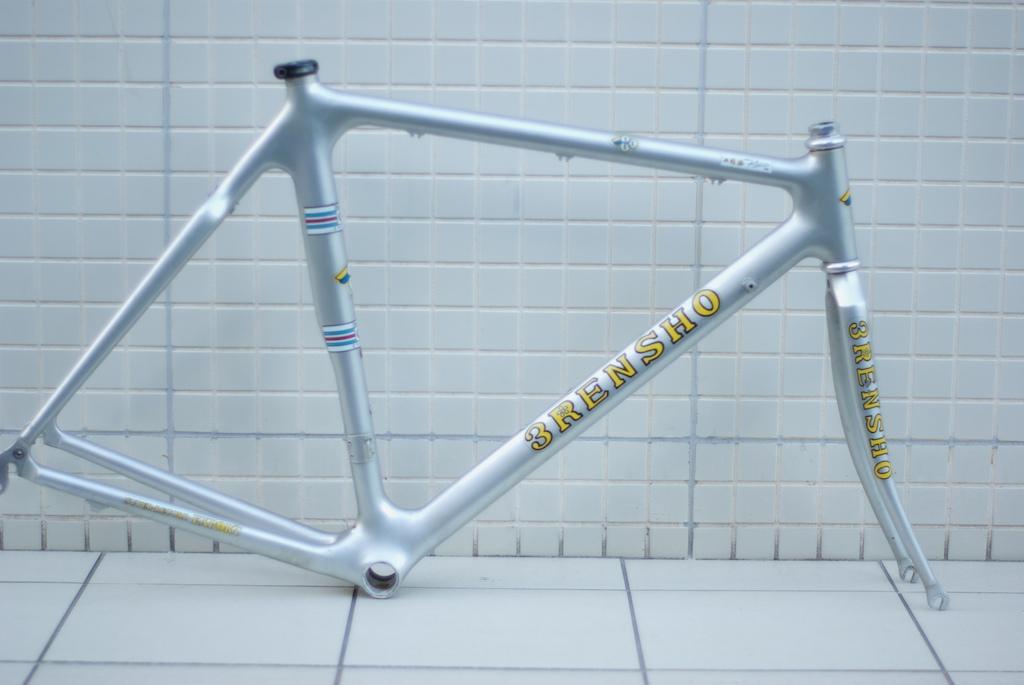
Mystery 3Rensho Carbo-Panel Prototype

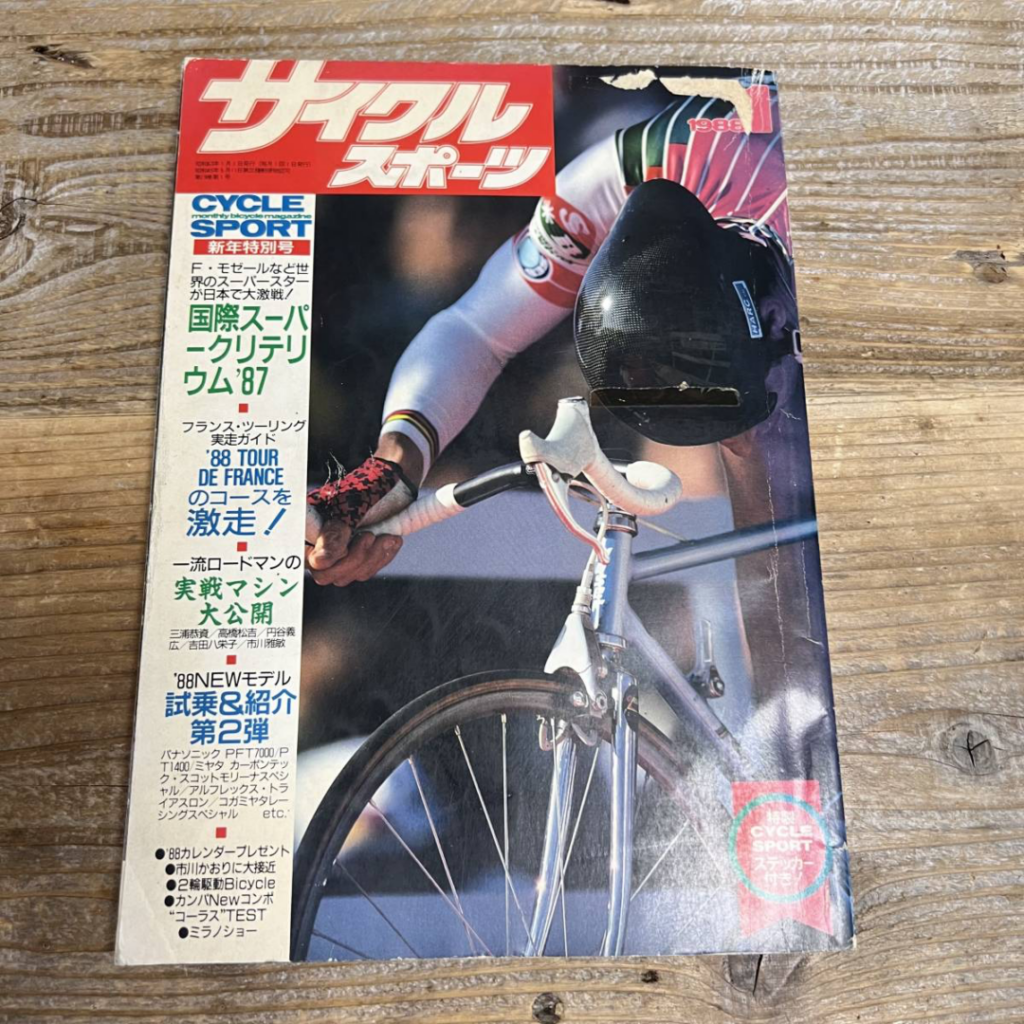
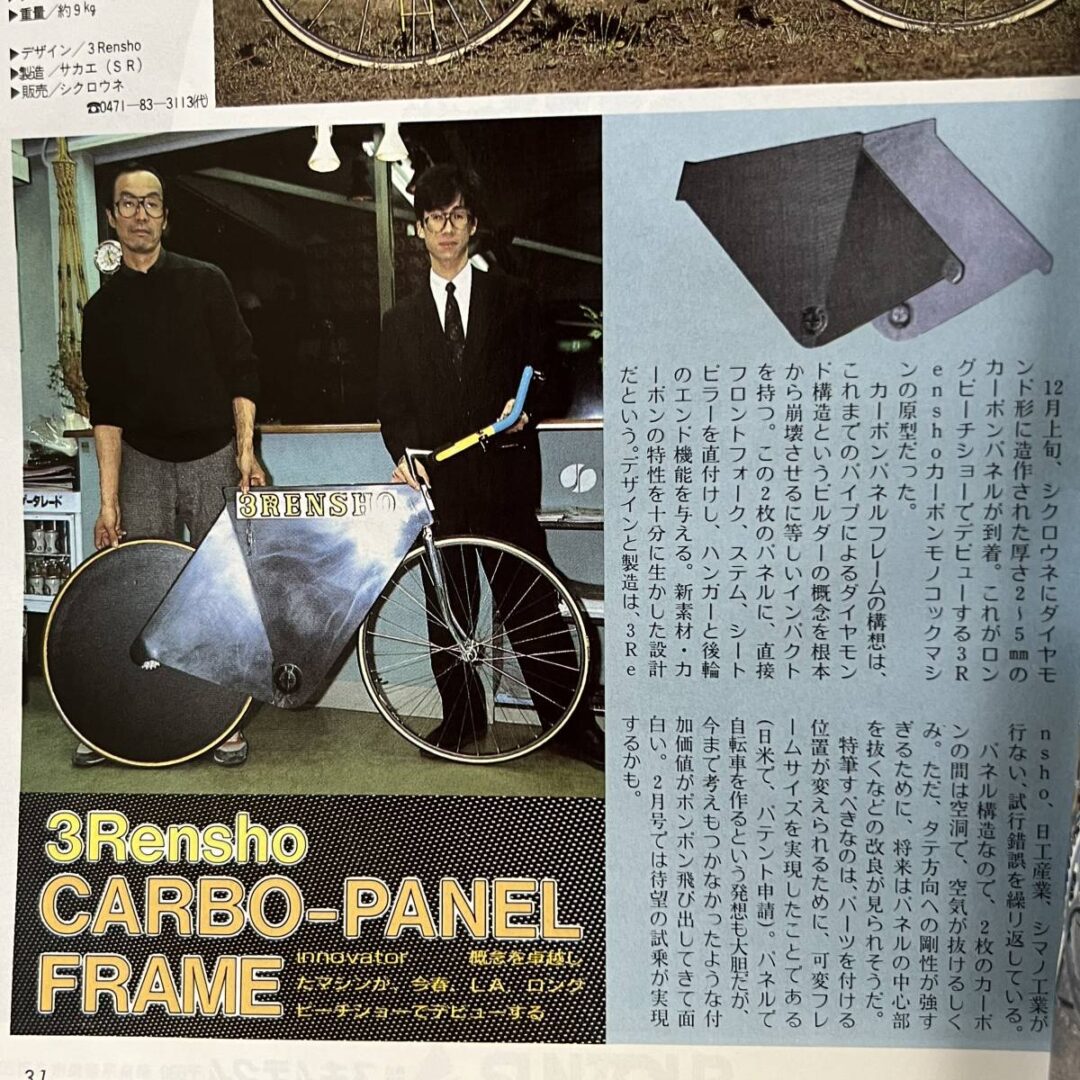
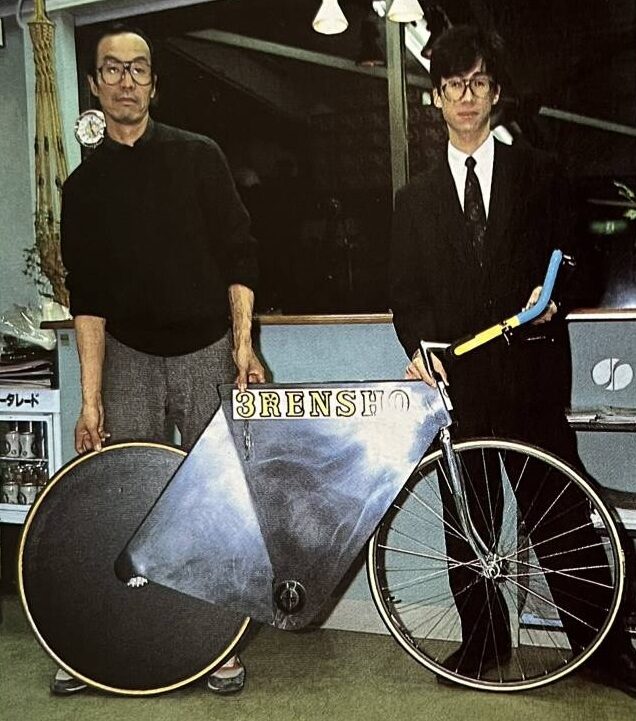
A few years ago, I came across this scan from the January 1988 issue of “Cycle Sports,” a Japanese cycling magazine.  Within a longer article about 3Rensho aluminum road bikes is a feature on a prototype carbon frame called the “Carbo-Panel.”  Designed by 3Rensho and manufactured in partnership with Nikko Sangyo and Shimano, it featured a unique design consisting of two carbon panels (2-5mm thick) that form the frame of the bike.
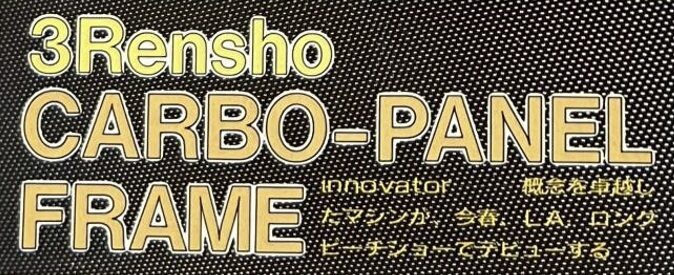
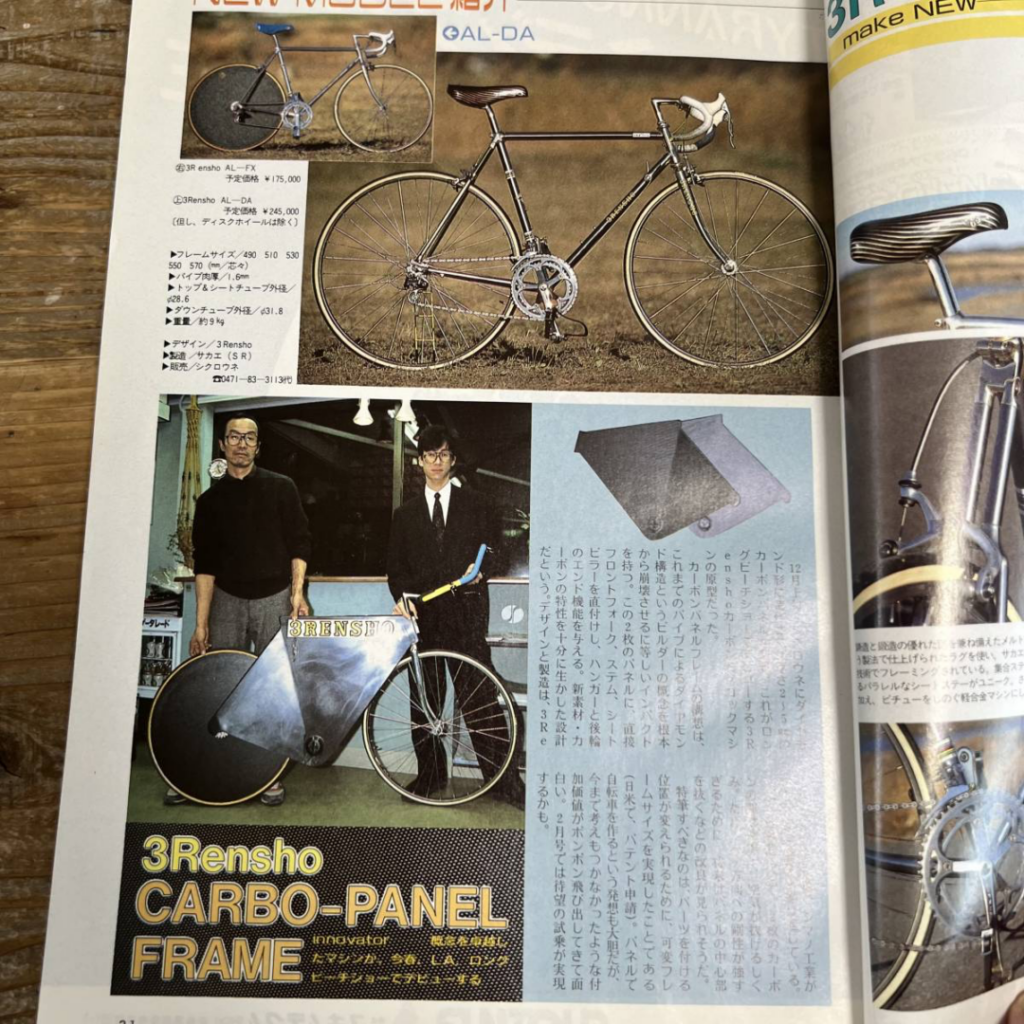
 

At the time this was written, most of the carbon frames on the market used tubes that were chemically bonded together.  The Carbo-Panel no underlying frame structure and is hollow inside, with the panels functioning as the frame.

Components like the fork and seat post are mounted directly to these panels.  The article notes that the frame can be adapted to fit riders of different sizes based on where the components are mounted.

The article goes on to point out that this is a prototype, complaining that “rigidity in the vertical direction is too strong,” and suggesting that it could be improved by adding a cut out to the central part of the panel.  Around the same time this article was published, the prototype was being displayed at the 1988 World Cycle Fair in Long Beach, California. The author goes on to say they look forward to a test ride, which will be written about in the February issue.  I don’t have a copy of that review, but in April 1988, a complete Carbo-Panel made the cover of the Japanese cycling magazine “New Cycling“:
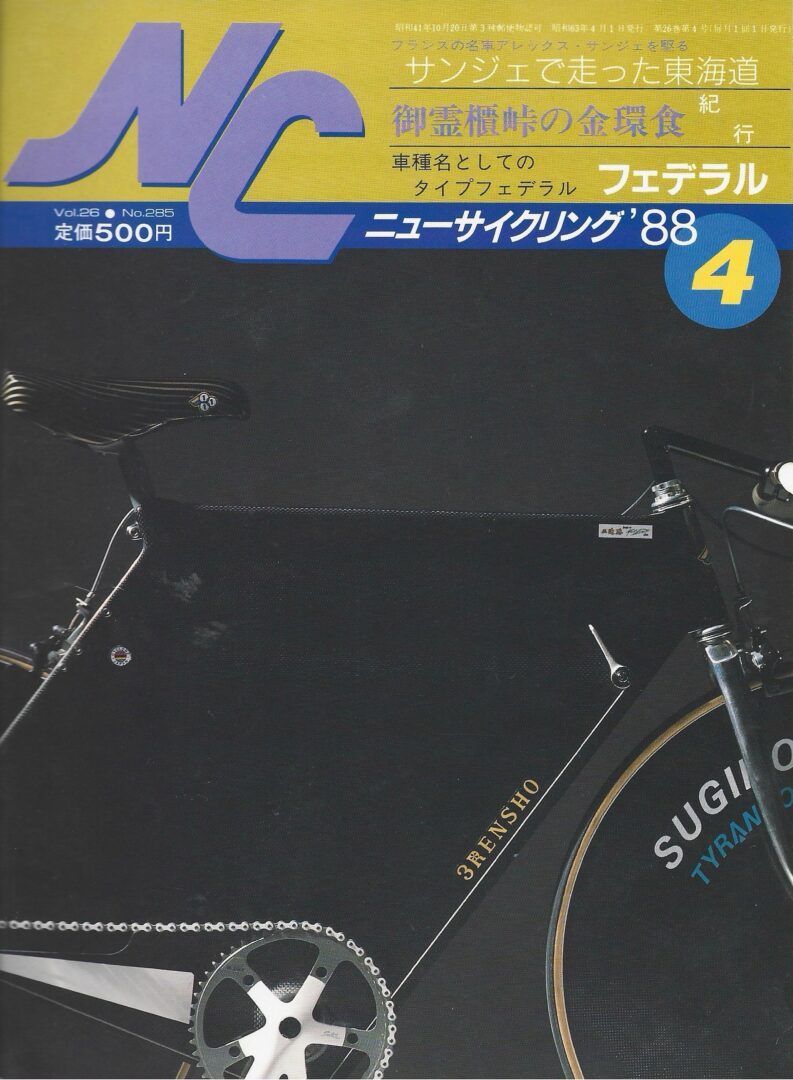
Google translated from the original Japanese, the Editor’s note states:

“It is self-evident that when an object’s material changes, it naturally has certain material properties, and its shape changes accordingly.  Bicycles, which have entered an era of new materials, are no exception.  I just so happens that in this day and age, new materials are being handled, discussed, and made within the expanding field of steel production.  In the future, if bicycles made from new materials, including their parts, are conceived and made in a completely different dimension from steel, they will undoubtably be called “new material bicycles” in both name and reality.”

I hope to find more about this carbon prototype in the future, including any ride reviews, if they exist.  In the process of researching this bike, I came across a collaboration between pioneering American carbon bike designer Brent Trimble and Zunow.  My next article will be all about it.
LOOK 496 Single Speed Project

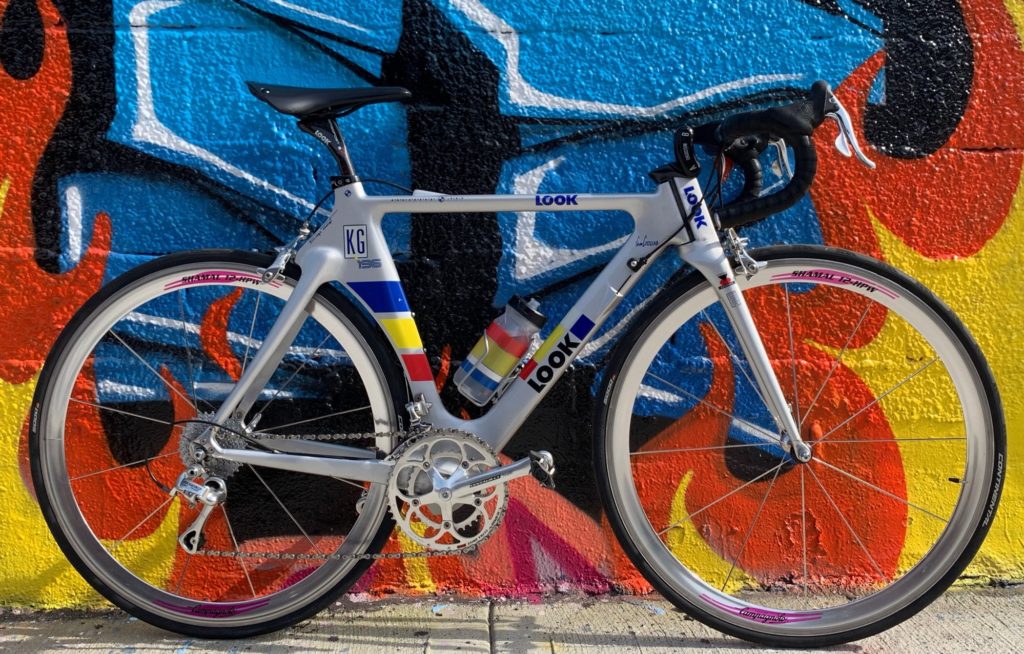
LOOK KG 496

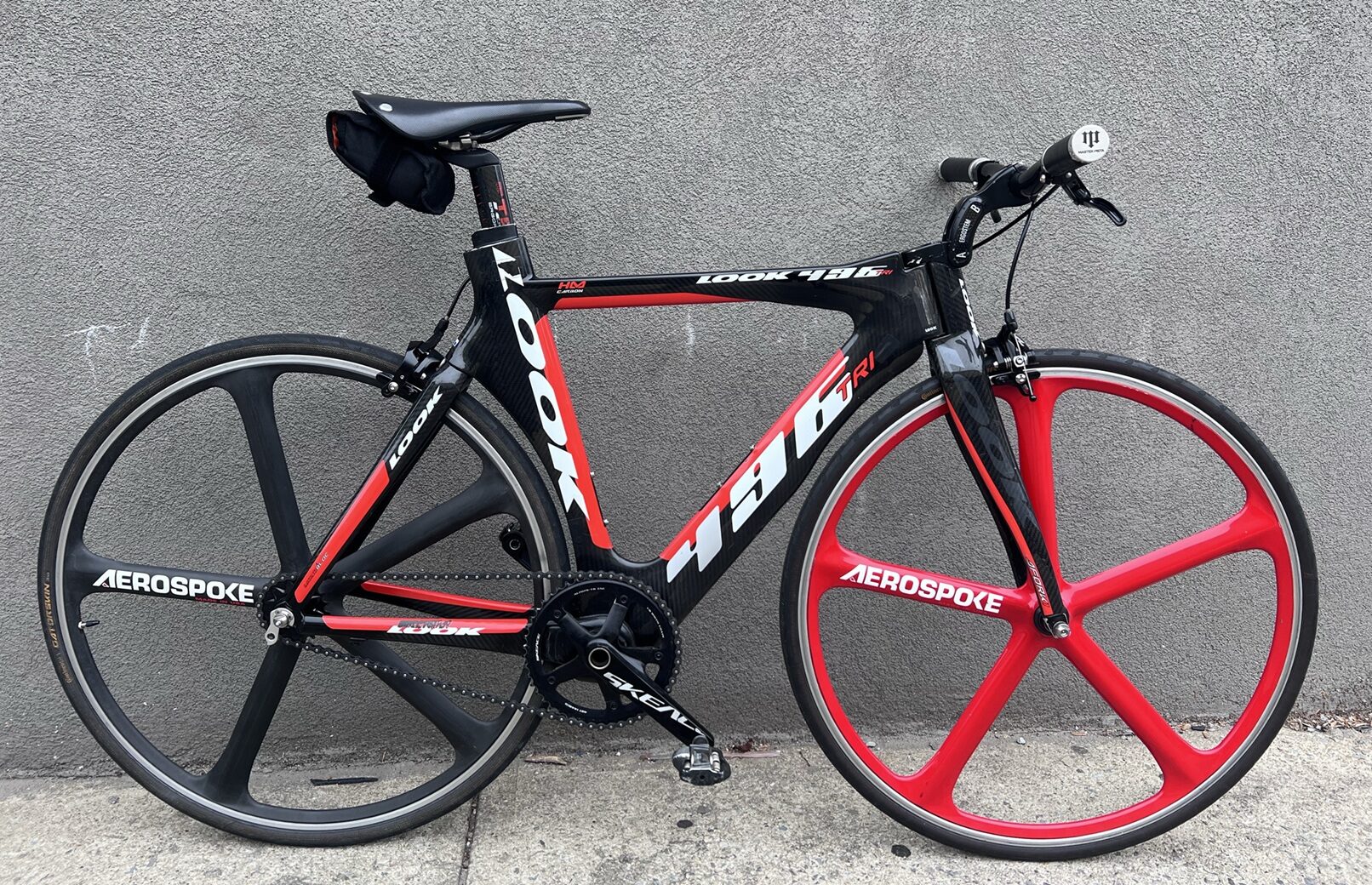
Introduced in the year 2004 for the French Olympic track cycling team, the iconic LOOK KG 496 represented the finest in carbon frames for the next decade.  Over twenty years later, it remains a rare, highly-coveted bike.  I never thought I’d own one, but then I came across a frame set at the 2025 Westminster bike swap for pocket change.  I had no idea what I’d do with it, but it wasn’t the kind of deal you pass up.

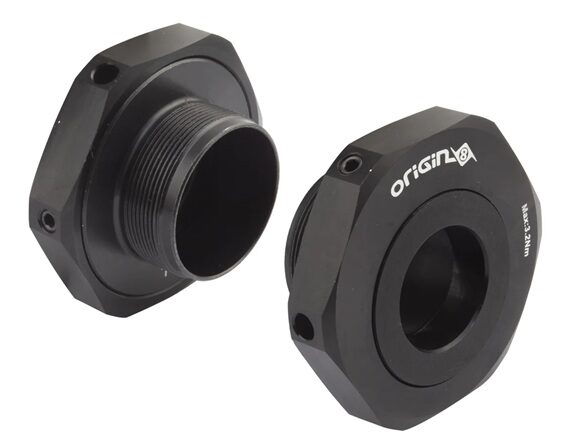
Sharp-eyed readers will have immediately recognized that this is not the track version of the KG 496.  It’s the triathlon version, complete with derailleur hanger.  It sat on my wall for a few months until I discovered the Origin8 Revolvr eccentric bottom bracket.  This is an eccentric bottom bracket that is compatible with standard 68mm English-threaded bottom bracket shells and GXP cranks.  It allows you to turn bikes with vertical drop-outs into single-speeds.  Instead of using an external chain tensioner, the eccentric bottom bracket tensions the chain by moving the crankset forward to take up any slack. With this nifty gadget in hand, I ordered some new parts and got to work on a fun spring project.  Read on for more photos and build details… Continue reading

Bridgestone Anchor Carbon Track Bike – FAPCPT

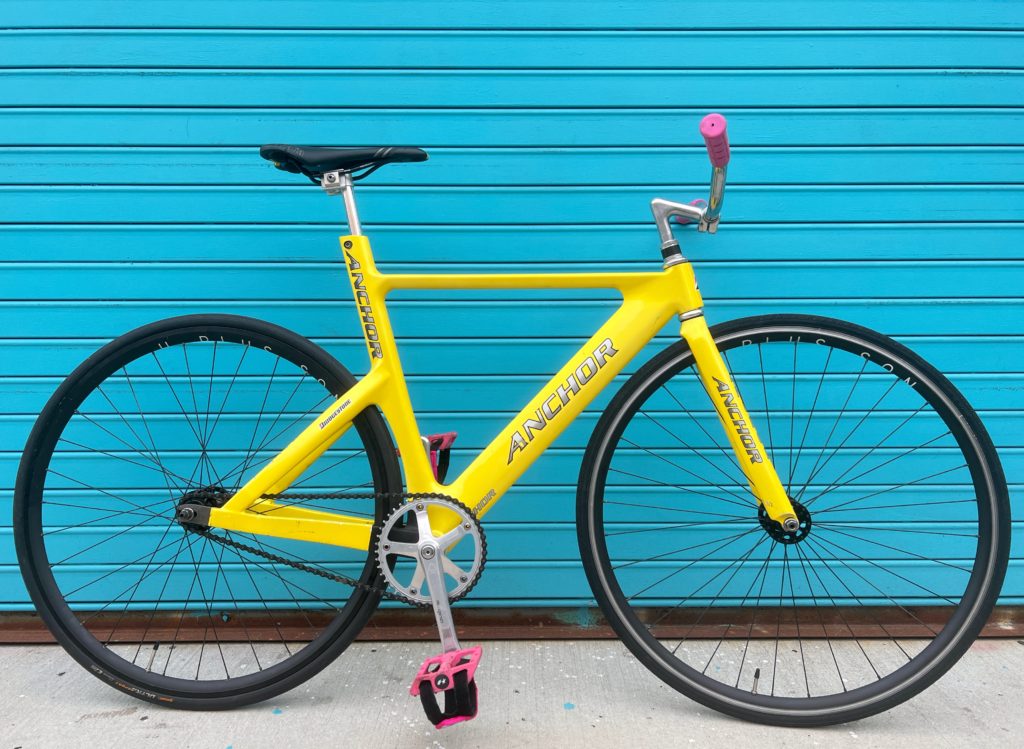
Is a carbon bike “vintage” if it’s old enough to buy beer?  This Bridgestone Anchor track bike was born in 1999 (making it technically “Gen Z”) and represents their first foray into monocoque carbon frames.  “FAPCPT” is a convoluted and unfortunate model name, evocative of onanistic internet slang.  It’s all relative I suppose, considering the brand name is “Anchor,” a word that doesn’t convey a sense of lightness or speed (or even motion itself).  Both the brand, and this bike in particular were created for the Japanese market and not with an English-speaking audience in mind.  Silly names aside, this bike is a work of art, with clean, sculptured lines and a svelte profile.  Read on to learn more about this rare early carbon track bike.

Continue reading

3Rensho Carbon Bikes – SR, Aegis, and Araya

Photo courtesy the Vintage 3Rensho Love blog

In my last two articles I showed how 3Rensho, a brand synonymous with the finest handmade steel bicycles, added aluminum bicycles to their lineup thanks to third-party manufacturers like SR and Yamakuni.  Now let’s take a deep dive into an even more esoteric corner of the 3Rensho story: carbon bikes.  This time around I am relying more than ever on 3Rensho’s catalogs, as it’s been extremely hard for me to find examples of these bikes in the “real world” that have been photographed and shared online.  I’ve identified three models so far: the SR Litage with carbon tubes, and two monocoque designs from Aegis/BIK and Araya.  Read on to learn more!

Continue reading

Look KG 196 Monoblade

The Look KG 196 is the bicycle equivalent of techno music: no matter how many decades pass, it still looks like a radical vision of the future.  First introduced in 1993, the Look KG 196 introduced several groundbreaking new developments in the design and manufacture of carbon bicycles.  Most modern carbon bikes can trace their roots directly back to the KG 196, with its monocoque frame design and radical Monoblade fork.  I spent almost a decade searching for one in my size, and finally found one in early 2020.  It took another two years to build it up with a carefully chosen parts kit designed to balance the kind of riding I like to do with components that compliment the aesthetics of the bike.  Read on for more photos and history of the Look KG 196!

Continue reading