More Lovely Zunow 650B Randonneur Bikes

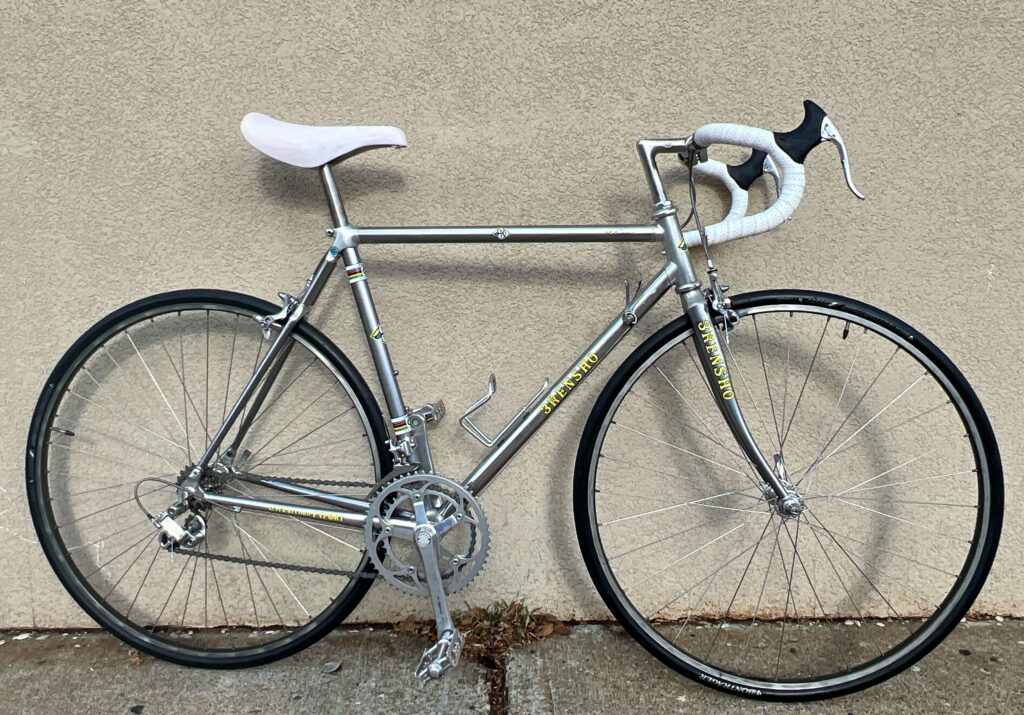
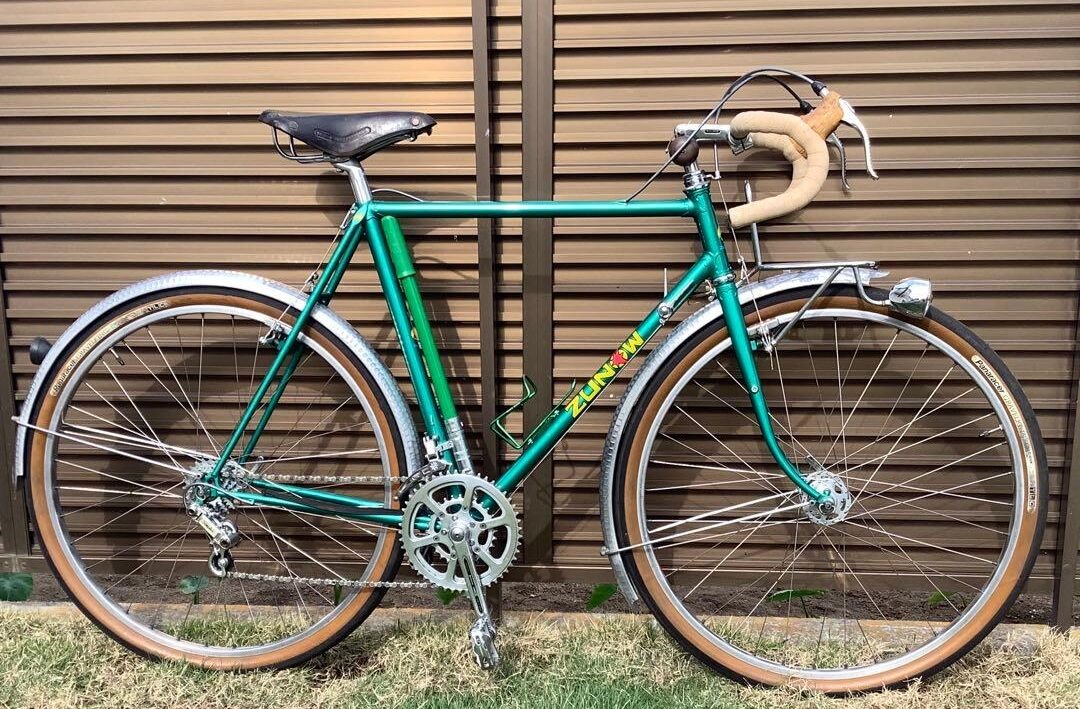
The best deals are always “local pick-up only.” I saw this Zunow “Nuovo Touring” randonneur bike for sale on Japan’s Mercari marketplace last month.  It sold for around $1000 USD and a trip to Atsugi City.  Quite a steal, if you live locally.  Collectors around the world know that you have to travel to get the best deals. I downloaded the photos from the listing and am sharing them here to show off a “vintage correct” build for one of these iconic bikes.

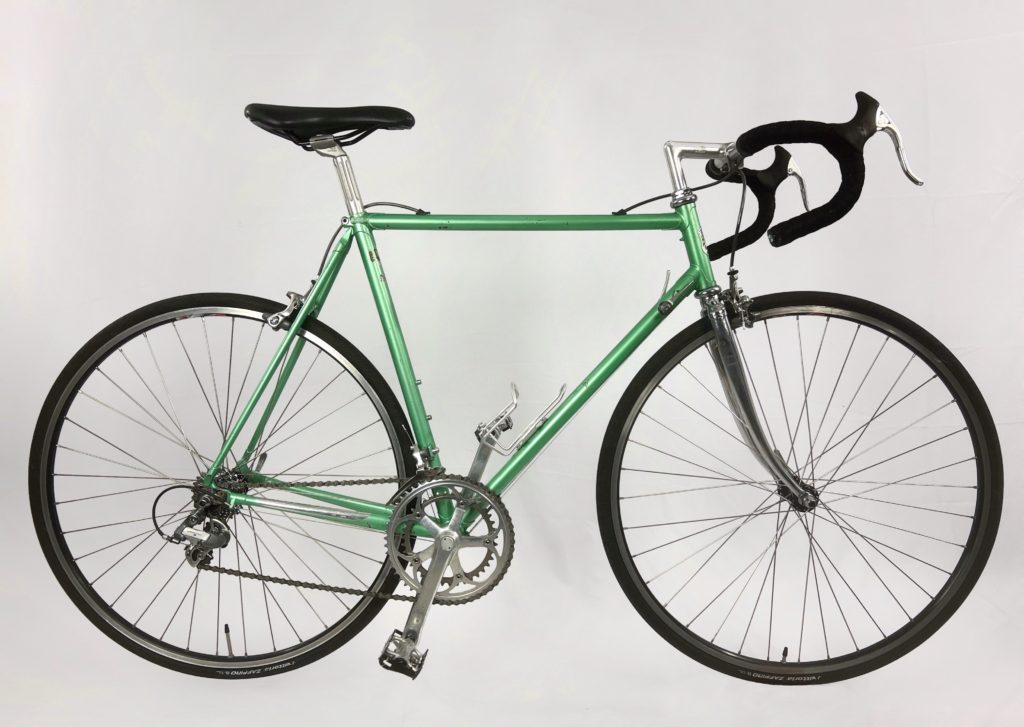
Over a decade ago, I decided that I prefer “brifter” (brake + shifter) controls over down-tube or bar-end shifters.  With a few exceptions, my restorations have moved towards “neo-retro” builds that use modern parts, tastefully chosen to maintain a vintage look.  Here’s what my Zunow Randonneur looked like before I switched the components to Campagnolo.  This particular Zunow looks much like it did when brand new in the late 1970s, with the exception of modern SPD pedals.  Read on for more photos and details!
Continue reading

Adventures in eTap: Trusty Rusty goes wireless

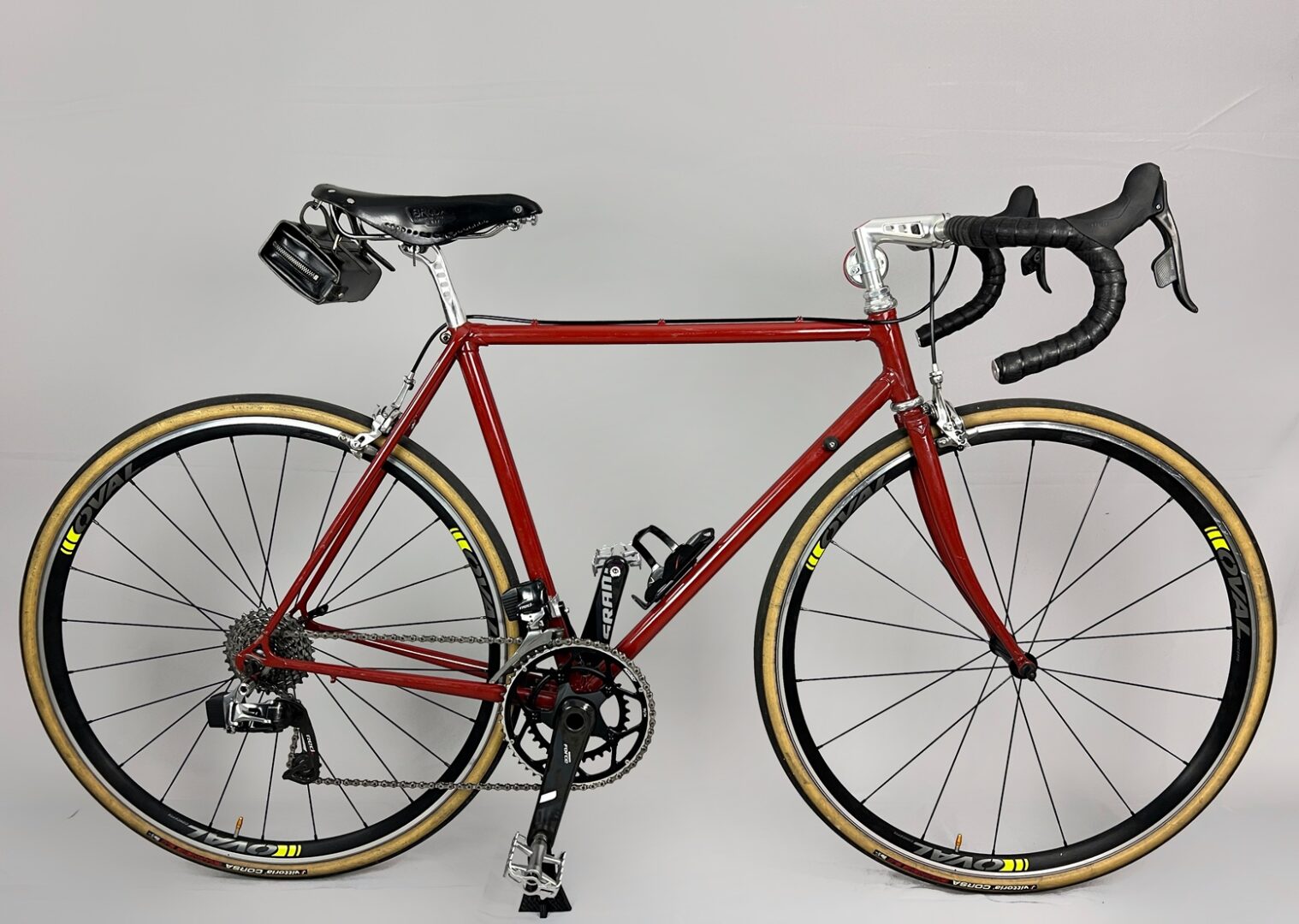
Ten years later, the second frame I ever built is still going strong.  I gave it to my wife when we first started dating, and she named it “Trusty Rusty” for its ketchup-red color.  Since then she has put countless miles on ol’ Rusty.  As an inveterate bike bodger, over time I swapped out the original build of silver SRAM Rival 10-speed for a Campagnolo Centaur compact group set.  I also added a Modolo Q-Race stem and a matching seat post, both featuring some cool “speed holes.”

After a few years of that, I pounced on a gently used SRAM Red eTap 11-speed group set that came up for sale.  Ironically, it came out around the time I first built this bike. This was the first electronic shifting group either myself or my wife had used, and we were both skeptical.  After a couple of long rides, however, my wife reported back that it was the best-performing group she’d ever ridden.  Check out the rest of the build details and more photos after the jump.

Continue reading

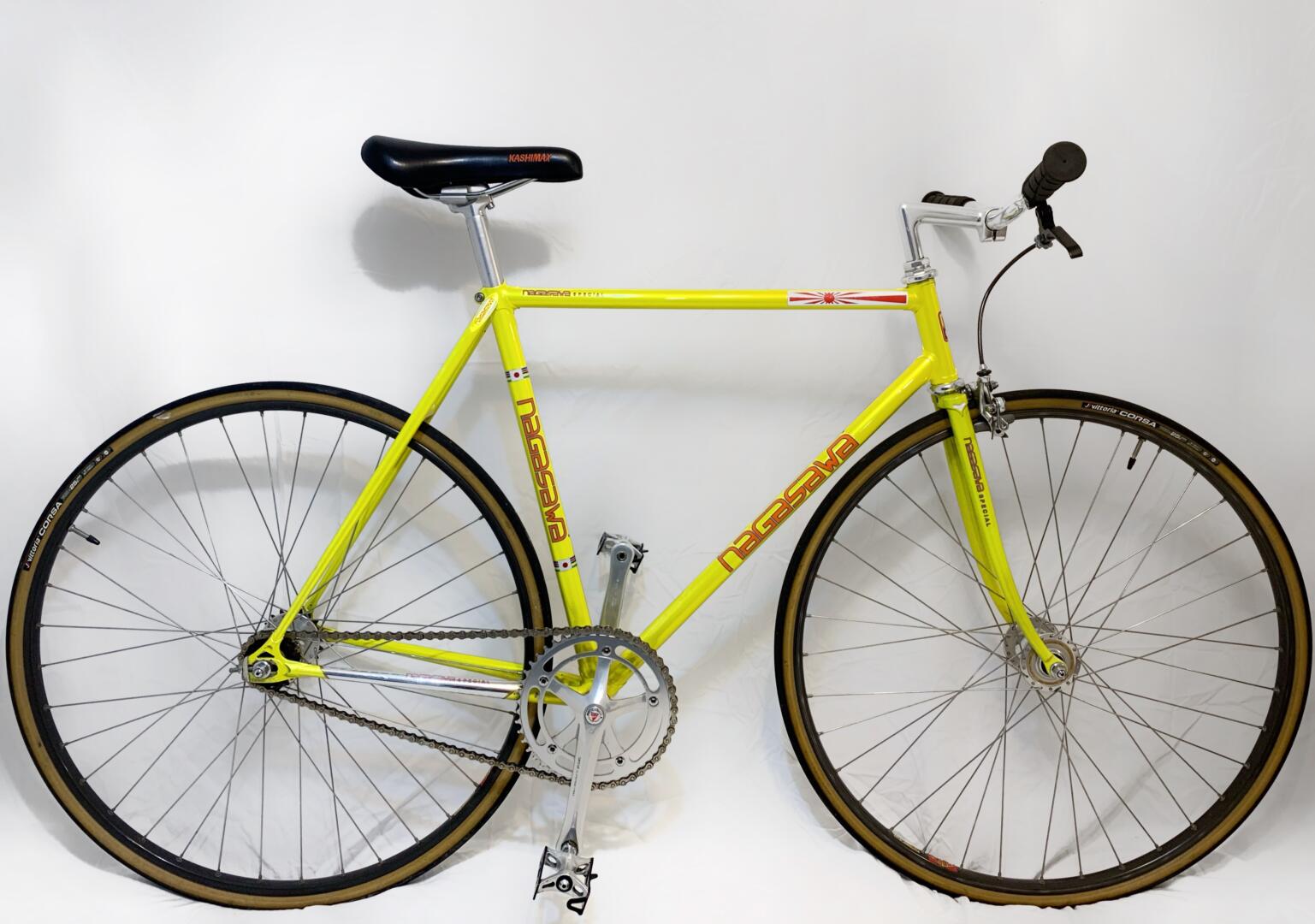
Nagasawa Special NJS Track with Suntour Superbe Pro

In December of 2021 I wrote about a Nagasawa track bike I restored.  It was actually my second Nagasawa; this article is about my first one.  I acquired it in early 2017 as a lucky eBay find; only $800 complete!  Based on the serial number, it was made in 1984, and I think it had been repainted at least once in its life, since the paint was in excellent condition.  It was built up with cheap parts which I quickly discarded, opting instead for an all-Suntour Superbe Pro track build.  I also had an additional challenge: I don’t ride brakeless fixed in the streets, but I also did not want to defile one of Nagasawa-san’s forks by drilling it for a brake.  Instead, I purchased a fork from a different NJS bike that had already been drilled, and which used the same fork crown and dropouts as the Nagasawa.  I acquired new decals and sent it off to Allan Wanta, who did a marvelous job matching the pearlescent yellow paint of the original.  Read on for more info on the build, plus a cool interview with Nagasawa-san from 1983! Continue reading

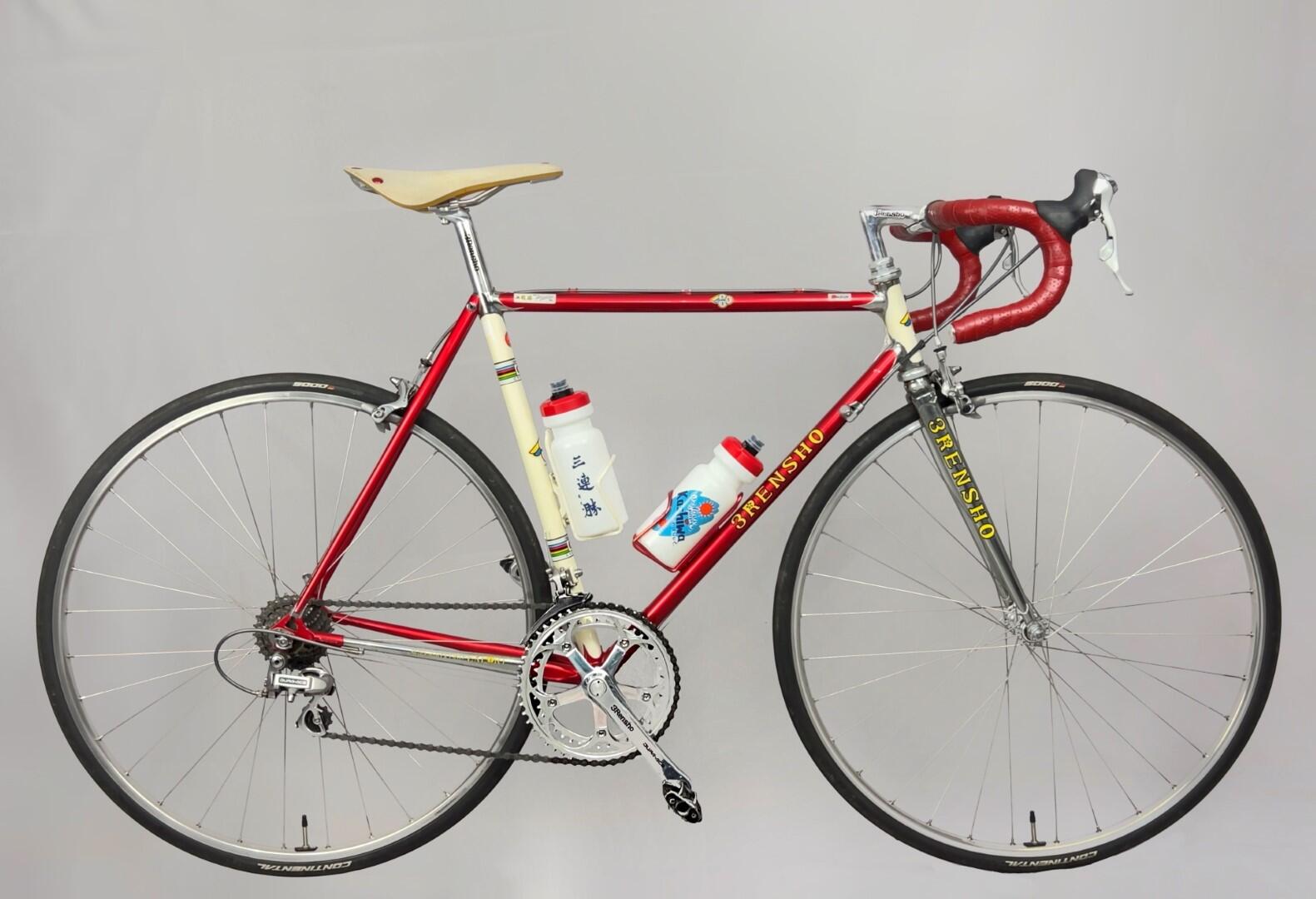
3Rensho Modeulo Katana Road

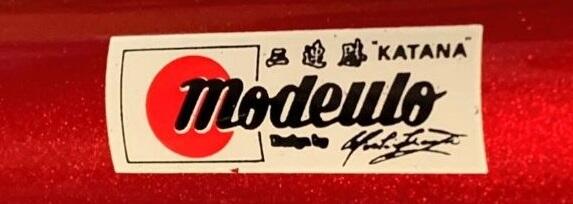
This is my “personal” 3Rensho, the one I bought specifically for myself and have spared no expense to restore.  As the article title states, this is a “Modeulo Katana” model, likely from the late 80s / early 1990s.  It has the signature lugs, webbed bottom bracket, 3Rensho “SuperEnds” dropouts, and the same aero fork crown as also seen on my handmade tribute pista.  The straight fork blades are a clue to dating its age, as it is likely inspired by the Colnago “Precisa” straight fork that strongly influenced bikes of the period. It’s built up with a mix of 8-speed Shimano Dura Ace 7400 and 7410 components, with about half of the parts original to bike.

Read on for the full build details and riding impressions! Continue reading

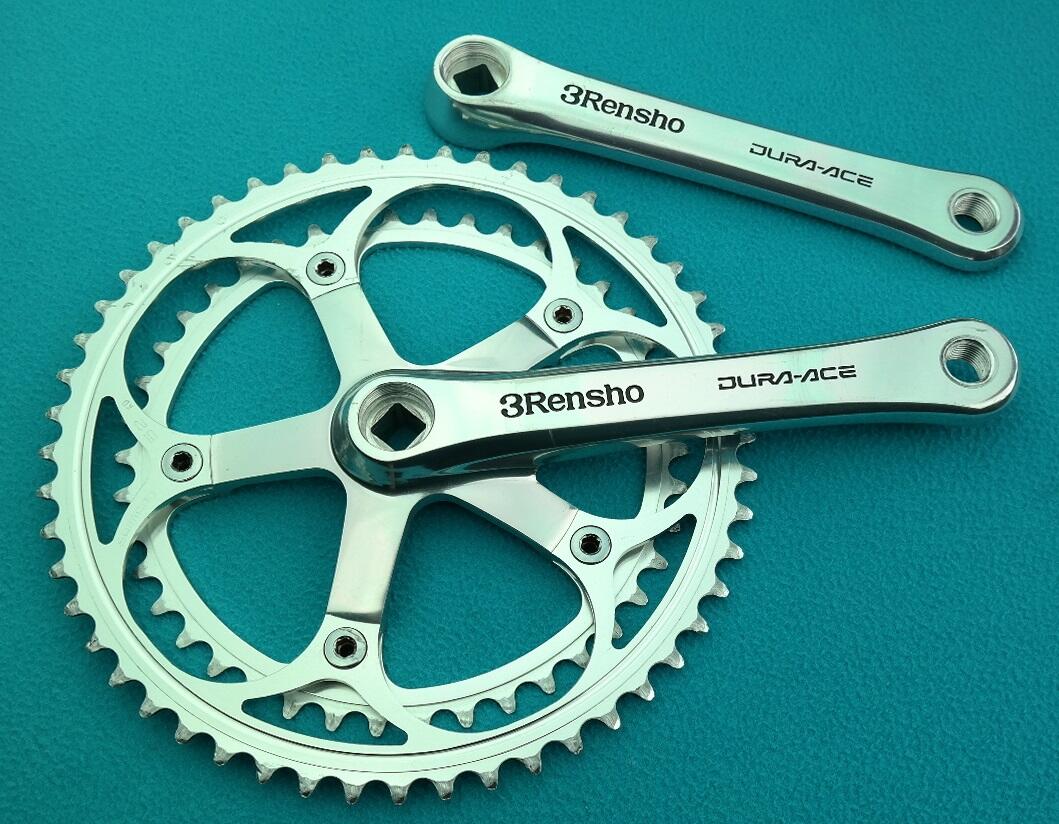
Custom 3Rensho Cranks by La Vie Velo Classique

3Rensho pantograph (and photo) by La Vie Velo Classique

When you’re so close to perfection on a classic bike build, how do you “take it to the next level”?  The answer, my friends, are pantographed parts.  These are components that are custom engraved using a pantograph milling machine.  Usually the brand name of the bicycle is engraved, although sometimes a bicycle owner will also have their own name added.  It’s considered a “lost art” nowadays, making it nearly impossible to get new parts engraved.  Vintage examples are usually expensive, often costing two to four times the price of the same component without engraving.  Parts engraved with rare marques like 3Rensho command astronomical prices when they appear on the market.

That’s why I’m excited to have discovered La Vie Velo Classique!  Based in Hungary, master craftsman Ábrahám Zsolt uses a traditional pantograph machine to create new and beautiful works of art for vintage bicycles.  He recently made the above 3Rensho pantographed crank set for me, and I was blown away with the finished results.  The quality of his work is absolutely top-notch, and indistinguishable from original vintage examples.  Read on to learn more about La Vie Velo Classique and the lost art of “panto parts”.

Continue reading

3Rensho Litage Aluminum Complete Build


A couple of months ago, I wrote a 3-part series on the subject of 3Rensho’s various forays into aluminum bicycles.  Their earliest product remains their most well-known, a collaboration with Sakae Ringyo to sell their Litage aluminum bike under the 3Rensho brand.  You can learn all about them in this article.  Today’s entry is a brief update to show off the finish build of the 3Rensho Litage I restored.  Read on for more details and photos!

Continue reading

Italian Steel in the Eighties: The Gios Compact

The Gios Compact debuted in 1986, and has since been considered by cyclists and collectors to be one of the best frames Gios ever produced. The most revolutionary technical innovation introduced by the Gios Compact was its adjustable dropout system.  The wheelbase can be lengthened or shortened by 8mm, to create an aggressive hill-climber or a more sedate roadie, depending on the terrain and the rider’s preference.  This example from 1987 was recently restored in my shop with a period-correct mix of Shimano Dura Ace and 600 components.  Read on to learn more about the Gios Compact and the Gios story.

Continue reading